Why manta snorkeling is the island's best activity
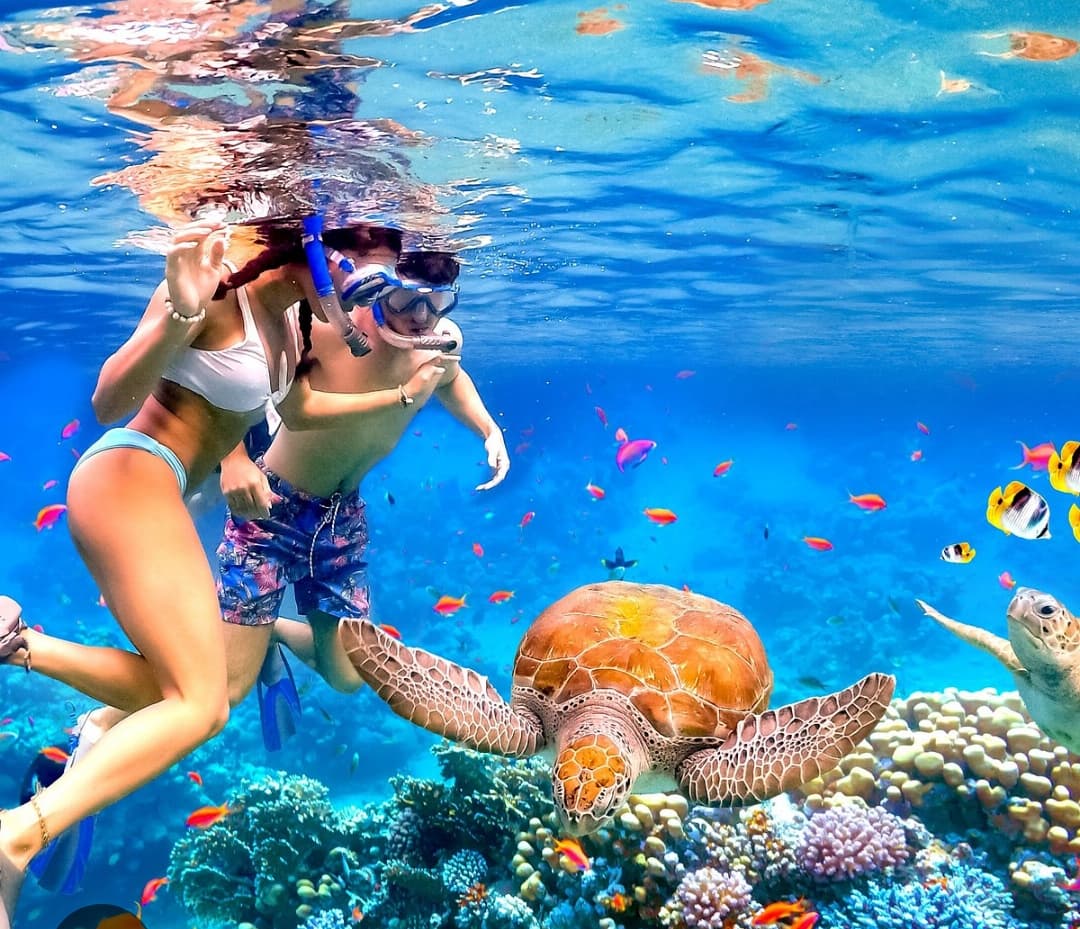
Off the south coast of Nusa Penida, wild manta rays gather to feed and visit cleaning stations year-round. Unlike many places where sightings are seasonal or rare, here you have a genuinely high chance of swimming alongside mantas with wingspans of three metres or more.
You do not need a diving licence. The snorkeling trips float you above the mantas at the surface, so any confident swimmer can join.
Manta Point vs Manta Bay
There are two main manta sites. Manta Point (Batu Lumbung) is the most reliable spot for sightings and is the classic stop. Manta Bay is closer to Crystal Bay and used when seas at Manta Point are rough. Boats choose the calmer, better site on the day.
- Manta Point (Batu Lumbung) — highest sighting rate, can be choppy
- Manta Bay — calmer alternative, used in bigger swells
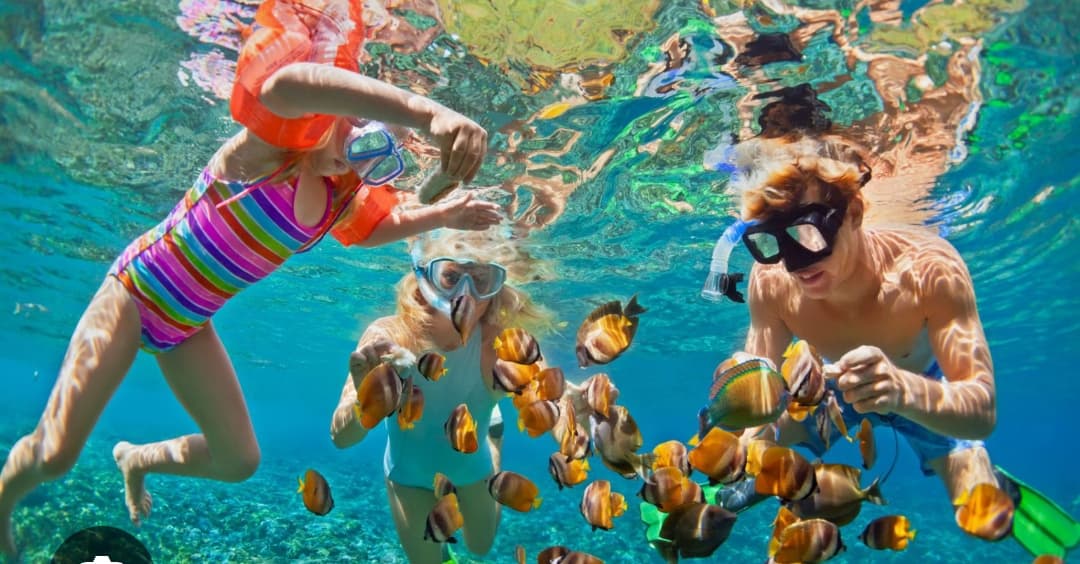
- Other reef stops — Crystal Bay & Gamat Bay for colourful fish
Best time and conditions
Mantas are present all year, with especially good encounters from April to November. Mornings usually have the calmest sea. The water can be cooler at the manta sites because of upwelling, so a rash guard helps.
What to expect and how to be responsible
A typical trip visits two to three snorkel spots over about two hours on the water. Keep a respectful distance from the mantas, never touch or chase them, and use reef-safe sunscreen. Our guides brief you before you enter the water and keep the group safe around the swell.
You can add manta snorkeling to a West Trip, or book it as part of our snorkeling packages.
Ready to plan your trip?
Tell us when you arrive and we will arrange a suitable tour or rental and confirm the payment terms; some services may require a deposit.
Plan via WhatsApp